PESTWRITERS
Helping Pest Control Businesses
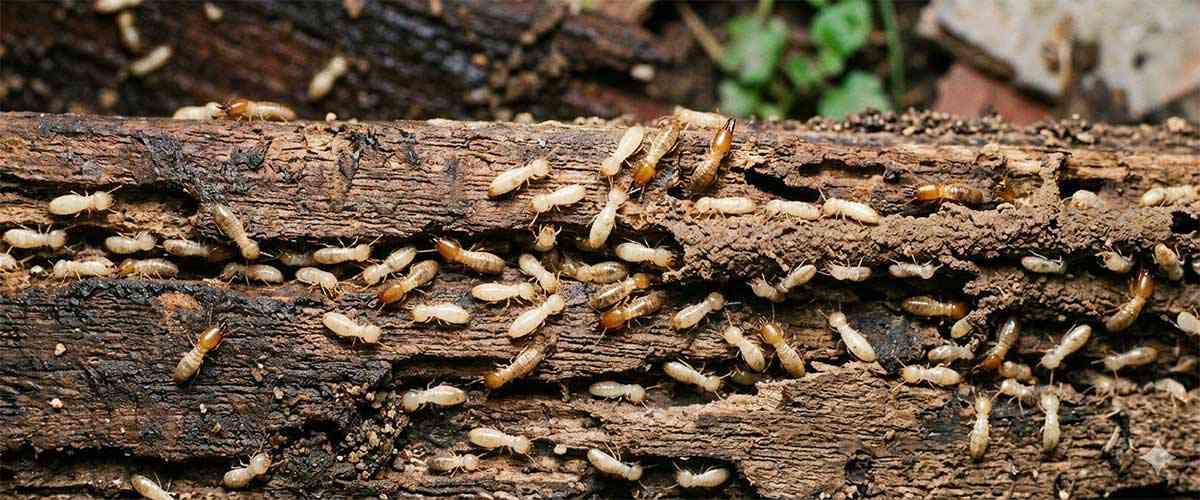
Formosan Termites in Northeast Florida: Certification Update (2026)
For decades, Florida’s “termite belt” was primarily associated with the southern part of the state. However, as of 2026, the spread and establishment of Formosan subterranean termites in Jacksonville and across Northeast Florida have materially changed the pest control landscape.
For pest professionals, this shift is not simply biological—it is changing hiring preferences, training requirements, and the definition of a “qualified” technician in the region.
The Shift from Native to Invasive Pressure
Most technicians in the Jacksonville area have traditionally worked with native subterranean species such as the Eastern subterranean termite. While capable of causing structural damage, these species are generally well understood and comparatively predictable.
Formosan subterranean termites present a different level of risk.
According to the University of Florida IFAS Extension, Formosan termites are now established across multiple regions of Florida, including areas further north than historically recorded. These colonies can reach several million individuals, forage aggressively, and form aerial nests within structures.
In practical terms, this changes how inspections and treatments are carried out. A technician focused only on ground-level activity may miss active infestations within wall voids or roofing structures—leading to treatment failure and increased liability.
An Emerging Challenge: Hybrid Colonies
An emerging area of research is the interaction between Formosan termites and Asian subterranean termites in overlapping regions.
Studies referenced by the University of Florida IFAS Extension indicate that hybridization between these species is occurring in certain environments. These hybrid colonies may exhibit greater adaptability, faster growth, and broader environmental tolerance than their parent species.
For technicians in Northeast Florida, this adds complexity. Identification is less straightforward, and treatment must address more variable colony behavior.
Certification and Regulatory Expectations
As the biological risk profile has changed, so too have expectations around technician capability.
The Florida Department of Agriculture and Consumer Services regulates pest control licensing in Florida, with Wood-Destroying Organism (WDO) certification forming a key pathway for technicians specializing in termite work.
In the current Jacksonville market, many employers are placing increased value on:
- WDO Certification
Demonstrating knowledge of termite biology, inspection standards, and treatment protocols. - Baiting System Experience
Familiarity with systems such as Sentricon and Trelona, including installation and monitoring requirements. - Advanced Detection Methods
Use of infrared, acoustic, and moisture detection tools to identify concealed infestations.
While a General Household Pest (GHP) license remains a common entry point, technicians with termite-specific expertise are increasingly positioned for higher-responsibility roles.
Learn more about WDO Certification by clicking here: Why WDO Technicians earn more in Florida
Impact on Salaries and Hiring
This shift in technical requirements is influencing compensation and hiring trends.
Data from Indeed suggests that pest control technicians in Jacksonville with termite-focused experience—particularly in WDO inspection and treatment—can command higher salaries than general pest control roles.
More importantly, employers are increasingly prioritizing:
- Reduced callback rates.
- Accurate identification.
- Confidence in handling high-value termite contracts.
This is especially relevant in Northeast Florida, where rapid residential development and expanding suburban areas are increasing the volume of termite-sensitive structures.
Specialization as a Career Advantage
From a career perspective, the spread of Formosan termites represents a clear opportunity.
As infestations become more complex and financially significant, companies are placing a premium on technicians who can:
- Manage high-risk termite cases.
- Maintain compliance with inspection standards.
- Deliver consistent treatment outcomes.
In practical terms, this creates a growing distinction between:
- General pest control technicians.
- Termite specialists with advanced certifications and field experience.
The latter group is increasingly aligned with:
- Higher earnings.
- Greater job security.
- More specialized career paths.
Training and Industry Direction
The response from leading pest control firms has been a greater emphasis on structured training.
Many companies in Northeast Florida are engaging with programs linked to the University of Florida IFAS Extension to ensure technicians are up to date with:
- Current termite behavior patterns.
- Treatment methodologies.
- Emerging research on invasive and hybrid species.
As the Jacksonville market continues to grow, the divide between general service provision and specialist termite work is becoming more defined.
A Market Moving Toward Specialization?
The expansion of Formosan termites into Northeast Florida is not a short-term anomaly—it represents a structural shift in the pest control industry.
For technicians, the implication is clear:
- Baseline knowledge is no longer sufficient for high-value work.
- Certification and ongoing training are becoming central to career progression.
- Specialization in termite control is increasingly tied to both income and job security.
For companies, the focus is equally clear:
- Invest in skilled technicians.
- Reduce treatment risk.
- Meet rising expectations from property owners and insurers.
As this trend continues, Northeast Florida is emerging as a region where technical expertise—not just experience—defines success in pest control.
Industry Insights
Explore more analysis of hiring trends, salaries, and workforce demand in the pest control industry:
- Job Market Reports
- Pest Control Jobs in Jacksonville, FL: 2026 Market Report
- Pest Control Jobs in Florida and Texas: Salaries and Hiring (2026)
Click here to learn What drives Pest Control Salary Growth
