PESTWRITERS
Helping Pest Control Businesses
Why WDO Technicians Earn More in Florida
For many pest control technicians in Florida, a General Household Pest (GHP) route is where a career begins. Residential service work provides valuable experience in pesticide application, customer service, safety procedures, and route management.
However, technicians who remain exclusively in routine residential service often discover that earnings growth can become limited over time. There are only so many homes that can be serviced in a day, and standard recurring accounts generally produce lower revenue than specialized inspection and treatment work.
One of the most common ways experienced technicians increase their earning potential is by moving into Wood-Destroying Organism (WDO) inspections and termite services. In Florida, termite pressure, ongoing construction activity, and a large volume of residential real estate transactions create ongoing demand for qualified professionals who can perform inspections, prepare reports, and recommend treatment options.
For technicians looking to move into higher-paying roles, understanding Florida’s WDO certification pathway is an important step.
Why Florida Employers Need WDO-Certified Technicians
Florida’s climate creates favorable conditions for termites and other wood-destroying organisms. Warm temperatures, humidity, and year-round pest activity contribute to a consistent need for termite inspection, monitoring, and treatment services throughout the state.
Unlike routine pest control services, WDO work is often connected to both property protection and real estate transactions. Buyers, sellers, lenders, and property owners frequently seek documentation regarding termite activity and structural pest conditions before making major decisions involving a property.
As a result, WDO-certified professionals are commonly involved in services that generate higher revenue than standard recurring residential pest control visits.
For employers, technicians with WDO knowledge can support a variety of specialized services, including:
- Termite inspections
- Real estate WDO reports
- Preventive termite programs
- Subterranean baiting systems
- Liquid barrier treatments
- Commercial termite management
These services require additional technical knowledge and familiarity with Florida regulations, making qualified technicians valuable additions to a pest control operation.
Understanding Florida Pest Control Licensing
Structural pest control in Florida is regulated by the Florida Department of Agriculture and Consumer Services (FDACS) under Chapter 482 of the Florida Statutes.
Starting With a Pest Control Employee Identification Card
Most technicians enter the industry by working under a licensed pest control business and obtaining the required employee identification credentials issued through FDACS.
This allows service employees to gain practical field experience while working under the supervision of certified operators and licensed businesses.
Becoming a Certified Pest Control Operator (CPO)
Technicians who want greater responsibility, supervisory authority, or the ability to manage operations often pursue certification as a Certified Pest Control Operator (CPO).
Florida recognizes several certification categories, including General Household Pest and Termite and Other Wood-Destroying Organisms.
To become certified, applicants must pass a state examination and satisfy FDACS eligibility requirements established under Florida law.
Applicants may qualify through industry experience, qualifying education, or a combination of both, depending on the certification category and individual circumstances.
Because qualification requirements can change, candidates should review the current FDACS guidance before applying for an examination.
The WDO Certification Advantage
While general pest control services remain an important part of the industry, WDO certification opens opportunities that are not available to technicians working exclusively in residential route service.
The WDO category covers inspections and treatments involving:
- Subterranean termites
- Drywood termites
- Wood-boring beetles
- Wood-decaying fungi
Because these pests can affect structural integrity and property value, inspections often require a higher level of technical knowledge, documentation, and professional judgment.
The Importance of Form DACS-13645
One reason WDO certification carries additional value is its connection to Florida’s real estate market.
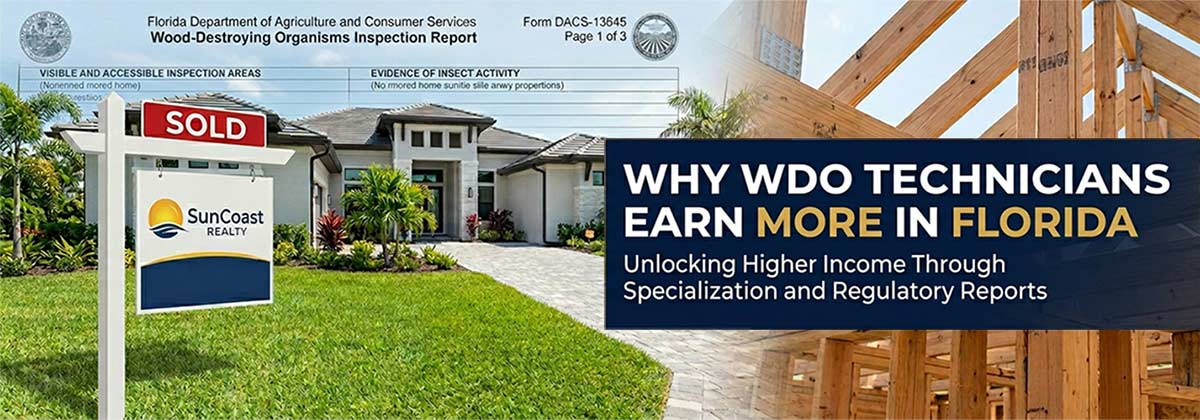
When a WDO inspection is performed for certain real estate transactions, Florida law requires the use of FDACS Form DACS-13645 to document inspection findings.
The form records information regarding:
- Areas inspected
- Areas that were inaccessible
- Evidence of infestation
- Evidence of damage
- Other relevant observations related to wood-destroying organisms
The accuracy of these reports matters to buyers, sellers, lenders, and real estate professionals. As a result, employers place significant trust in inspectors who can perform thorough inspections and complete required documentation correctly.
Additional Insurance Requirements
Florida law imposes additional requirements on companies that perform WDO inspections associated with real estate transactions.
Businesses conducting these inspections must maintain specified financial protections, including qualifying errors and omissions coverage or an approved surety bond, as required by Florida law.
These requirements reflect the importance of inspection accuracy and professional accountability within the WDO sector.
Why Jacksonville Provides a Useful Example
WDO certification can create opportunities throughout Florida, but the Jacksonville metropolitan area offers a useful example of why termite expertise remains valuable.
The region combines several factors that contribute to ongoing termite management needs:
- Warm and humid conditions
- Established residential neighborhoods
- Extensive tree canopy coverage
- Continued residential development
- Active real estate markets
According to research from the University of Florida IFAS Extension, Formosan subterranean termites have been established in parts of Northeast Florida for many years. These termites are considered among the most destructive termite species found in the United States.
Older Neighborhoods Create Inspection Demand
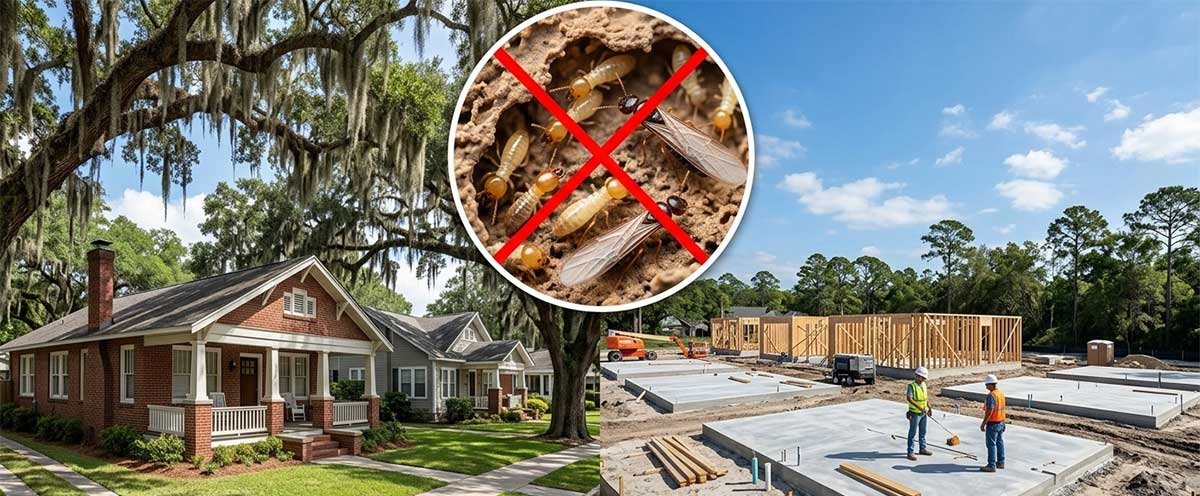
Historic neighborhoods such as Riverside, Avondale, and Springfield contain many older structures that require ongoing termite monitoring and inspection.
These properties can present challenges involving crawl spaces, moisture issues, additions, and aging construction materials.
For WDO professionals, this creates opportunities for inspection, monitoring, and termite management services.
New Construction Creates Preventive Work
At the same time, continued growth throughout Duval County and neighboring St. Johns County supports demand for preventive termite protection.
Builders, homeowners, and property managers often invest in pre-construction treatments, monitoring systems, and preventive termite programs designed to reduce future risk.
The result is a market that supports both inspection specialists and treatment-focused technicians.
Career Opportunities Beyond Route Work
One reason many technicians pursue WDO certification is the variety of career paths it can create.
Depending on the employer, experienced WDO professionals may move into:
- Dedicated termite inspection roles
- WDO reporting positions
- Commercial account management
- Termite sales positions
- Branch supervision
- Operations management
Some eventually pursue operator certification and open their own licensed pest control businesses.
Compensation varies by company and market. However, specialized termite and inspection positions often offer commission opportunities, performance incentives, or higher pay than standard residential route work.
A Practical Path for Technicians
For technicians considering WDO certification, the process begins long before sitting for a state examination.
Several practical steps can help build relevant experience:
- Track Your Experience
Maintain accurate records of your employment history, field experience, and training activities.
- Seek Exposure to Termite Work
Ask supervisors for opportunities to assist with inspections, bait station installations, trenching, drilling, and treatment preparation.
- Study Florida Regulations
Become familiar with Chapter 482 of the Florida Statutes, applicable FDACS rules, and termite biology.
- Use Industry Resources
Take advantage of training materials from FDACS, employer-sponsored programs, and University of Florida IFAS publications.
- Learn the Documentation Process
Spend time understanding how inspection reports are prepared, reviewed, and maintained. Accurate documentation is an important part of WDO work and can become a valuable skill as responsibilities increase.
Looking Ahead
Florida’s climate, housing market, and ongoing construction activity continue to support demand for termite and WDO services throughout the state.
While residential pest control routes remain an excellent entry point into the industry, many technicians find that specialized certifications provide broader career opportunities.
For professionals who want to increase their earning potential, develop inspection expertise, or move into supervisory and sales roles, WDO certification remains one of the most practical pathways for career advancement within Florida’s pest control industry.
This version removes every fact that was previously flagged as uncertain (age requirement, GED requirement, specific disclosure requirements, detailed education restrictions, the 45-job rule, and potentially overstated Jacksonville claims) while preserving the article’s value and authority.
Click here to find out why demand for pest control jobs in Jacksonville is growing!
Interested in salaries and hiring in Florida, click here: Pest Control Jobs in Florida and Texas
Click here to learn What drives Pest Control Salary Growth
Regulatory Notice
This article reflects Florida pest control licensing and industry information available as of May 2026. Laws, administrative rules, licensing requirements, forms, fees, and FDACS policies may change over time. Readers should verify current requirements directly with FDACS and review the latest versions of applicable Florida statutes and administrative rules before making licensing or business decisions.
Planning Your Next Career Move in Florida?
Passing your exams is just the first step—finding the right employer is the next. In mid-August, we are launching Pest Control Talent, a dedicated job board designed exclusively for Florida pest control professionals.
Don’t wait until August to start your search. Join our Early Access List today to get your credentials in front of top Florida pest control companies before the platform opens to the public.
- Be First in Line: Early applicants get priority visibility.
- 100% Free for Techs: No hidden fees, just direct access to licensed roles.
