PESTWRITERS
Helping Pest Control Businesses
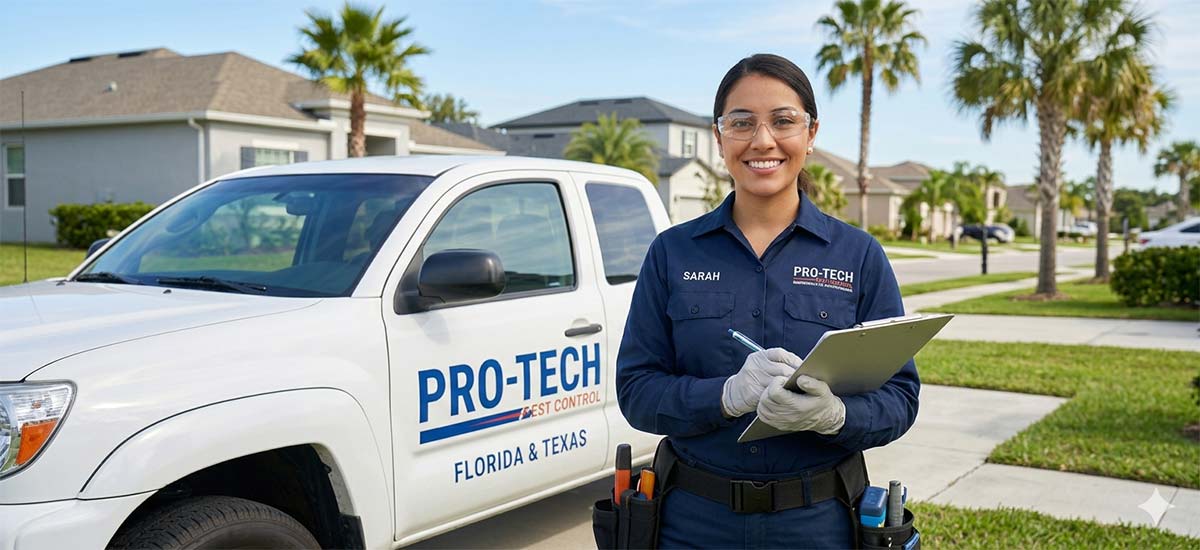
Pest Control Jobs in Florida and Texas: Salaries and Hiring (2026)
The pest control job market in Florida and Texas isn’t just growing—it’s becoming one of the more stable and accessible employment areas in the service sector. This year, companies across both states are expected to be actively hiring, and in many cases, struggling to keep up with demand.
For anyone looking at pest control jobs, the opportunities are straightforward. They will enjoy consistent work, relatively low barriers to entry, and clear paths to higher earnings over time.
For employers, the challenge is the opposite—finding and retaining reliable people in a market where demand rarely slows. This article looks at what’s actually driving hiring across Florida and Texas, where demand is strongest, and what that means for job seekers right now.
Growing Demand for Pest Control Jobs in the Sunbelt
There isn’t a single reason behind the increase in pest control jobs—it’s a combination of factors that reinforce each other.
First, the climate. Both Florida and Texas deal with year-round pest activity. That alone changes the nature of the job market. Unlike industries that ramp up and down with the seasons, pest control runs continuously. If anything, the workload fluctuates rather than disappears.
Second, population growth. More housing developments, more apartment complexes, and more commercial spaces increase the need for ongoing pest management. This isn’t one-time work either. Most services are recurring, which means companies need a reliable workforce, not temporary hires.
The result is a job market that doesn’t spike and crash. It stays active, and in many areas, it keeps expanding.
Economic Resilience of the Pest Management Industry
When you step back, the reasons for growth are straightforward. Pest control isn’t optional. It’s tied to health, property protection, and regulatory requirements. That makes it resilient even when other sectors slow down. Add in population growth and recurring service models, and you get a system where demand builds up over time.
More properties lead to more service contracts, which lead to more hiring. It’s not a trend that spikes—it’s one that builds gradually and holds. This stability is a massive draw for those entering the workforce, where other service industries may feel the pinch of economic shifts.
Key Pest Control Hiring Markets: Florida and Texas
Even though both states show strong overall demand, not every area behaves the same way. In Florida, areas with high humidity and rapid residential growth tend to generate steady hiring.
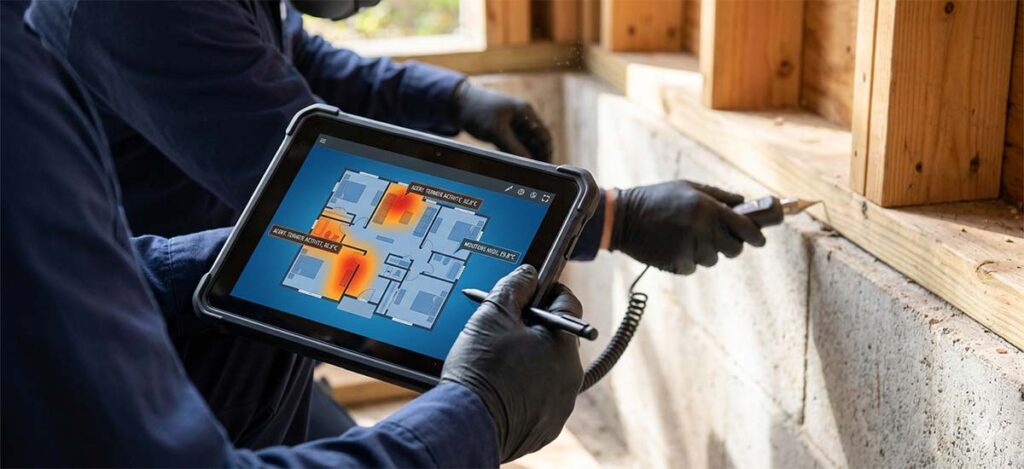
Termite pressure plays a big role here, especially in areas where new construction meets older housing stock. In Texas, larger metropolitan areas tend to drive demand. The mix of residential neighborhoods, commercial properties, and industrial sites creates a broader range of pest control work, which in turn supports more hiring across different roles.
What matters is concentration. Jobs aren’t evenly spread—they cluster in places where population, climate, and property growth intersect. That’s where both job seekers and employers need to focus.
Where Pest Control Job Demand Is Strongest in 2026
At a city level, a few markets stand out as consistent indicators of hiring demand. In Houston, the scale of the city alone drives opportunity. There’s a constant need for technicians simply because of the volume of residential and commercial properties. Add in the climate, and you get a market where hiring rarely slows down.
Orlando operates a bit differently. Demand is steady, but it’s also influenced by movement—housing turnover, rental activity, and tourism-related properties all contribute. That creates periods where hiring becomes more aggressive, even if the baseline demand is always there.
In Jacksonville, the pattern is more consistent. It doesn’t spike in the same way as some markets, but it also doesn’t dip much. That stability makes it a reliable area for both new technicians and experienced hires.
Houston stands out for its scale and consistency. The size of the metropolitan area, combined with a humid climate and a wide mix of residential and commercial properties, creates steady, year-round demand. Many companies are hiring continuously to keep up with ongoing service contracts and new customer growth.
Place this alongside your Orlando and Jacksonville mentions so all three cities are balanced.
The key point is that these cities reflect broader trends. They’re not exceptions—they’re concentrated examples of what’s happening across both states.
Types of Pest Control Jobs Available for Career Seekers
Most people think of pest control as a single job, but the reality is more varied. Technicians are the most in-demand role. They handle inspections, treatments, and customer relations.
If you’re entering the industry, this is where you start, and in many cases, where long-term careers are built. Sales roles sit alongside that. These positions focus on bringing in new business and maintaining accounts.
In companies with strong recurring service models, sales teams play a central role, and earnings can scale quickly through commission. There are also specialist roles, particularly around termite work or commercial pest control. These tend to require additional licensing or experience, but they offer higher earning potential and more defined career paths. So while “pest control jobs” sounds narrow, the actual job market has multiple entry points.
Entry-Level Opportunities and Vocational Training
Many candidates wonder if they need a degree to start. The short answer is no. Most Florida and Texas employers prioritize a clean driving record and a willingness to learn over formal education. Because the industry is so heavily regulated, companies often provide the necessary training to pass state-level certification exams. This “earn while you learn” model is a significant advantage, as it allows individuals to pivot careers without taking on student debt.
Salary Expectations in 2026 for Technicians and Sales
Pay varies, but the structure is fairly consistent across the Southern United States. Entry-level technicians can get started without prior experience, especially if they’re willing to go through licensing.
In higher-demand areas, wages are often pushed up simply because companies need people quickly. With experience, earnings increase in a predictable way. Certifications, reliability, and performance all contribute. It’s not unusual for technicians to move into higher-paying roles within a few years.
Sales positions add another layer. Base pay is often supplemented with commission, and in strong markets, that can significantly increase total income.
Overall, pest control offers something that many other entry-level industries don’t: a clear progression path tied directly to experience and performance.
Competitive Benefits and Incentives
Beyond the hourly rate or base salary, the current market has seen a shift in how companies attract talent. Many companies are now offering better benefit packages, including health insurance, 401(k) matching, and performance bonuses.
Because the labor market is so tight in Texas and Florida, many firms are also offering sign-on bonuses for licensed technicians or providing company vehicles for personal use during commutes, which adds substantial value to the total compensation package.
What Employers Are Looking For in Top Candidates
Employers aren’t only hiring for technical ability. In many cases, they’re hiring for reliability first. The basics matter: showing up consistently, managing routes independently, and communicating clearly with customers.
Licensing is important, but many companies will help new hires get certified. That’s part of why the barrier to entry is relatively low compared to other technical trades. In a market where demand is high, companies are often willing to invest in people who demonstrate the right attitude.
That’s a key reason why hiring remains active even when labor markets tighten in other industries.
Other articles helping Pest Control companies and technicians:
Formosan Termites in Northeast Florida: Certification Update (2026)
Pest Control Jobs in Jacksonville: Why Demand Is Growing Fast
Pest Control Jobs in Houston (2026 Market Overview)
Click here to get your Step by Step Guide to Texas Pest Control Exams
Learn more about WDO Certification in Florida by clicking here: Why WDO Technicians earn more in Florida
