PESTWRITERS
Helping Pest Control Businesses
What Drives Pest Control Salary Growth in Florida and Texas?
For pest control technicians looking to increase their earnings, experience matters—but it is rarely the only factor that determines salary growth.
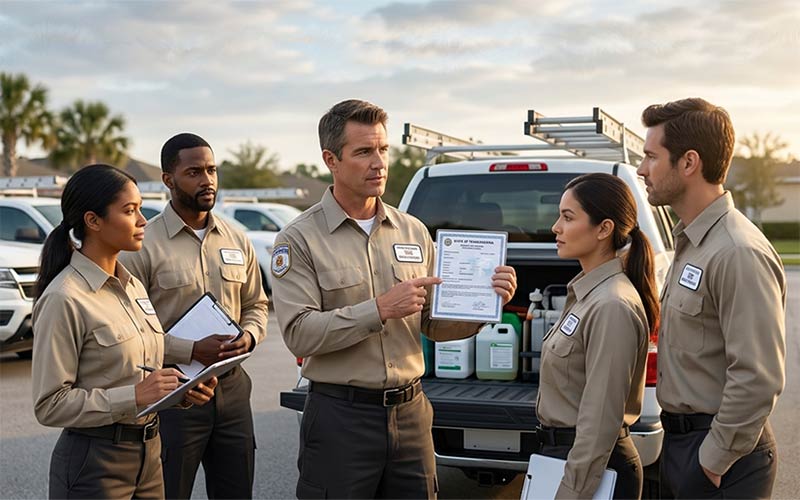
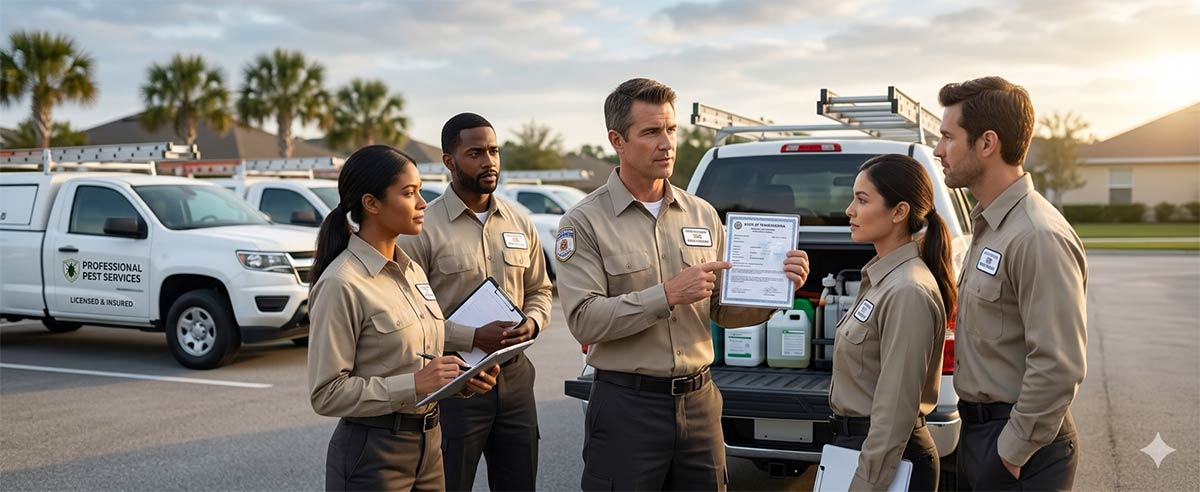
Across Florida and Texas, employers are increasingly looking for technicians who can handle greater responsibility, work independently, manage commercial accounts, and maintain compliance with state regulations. As a result, licensing, specialization, and route complexity often play a larger role in compensation than years of service alone.
Whether you are entering the industry or planning your next career move, understanding how employers evaluate value can help you make more informed decisions about certifications, training, and job opportunities.
Why Experience Alone Doesn’t Guarantee Higher Pay
In many industries, employees can expect compensation to increase steadily with tenure. Pest control operates differently.
A technician who spends several years performing basic residential pest treatments may earn less than a newer technician who has obtained additional certifications or developed expertise in specialized services.
From an employer’s perspective, compensation is typically linked to factors such as:
- Ability to work independently
- Regulatory qualifications
- Commercial account experience
- Technical specialization
- Customer retention performance
- Revenue generated through assigned routes
As pest control companies across Florida and Texas continue to compete for qualified workers, technicians who bring additional skills and certifications often have access to a wider range of opportunities.
How Licensing Affects Earning Potential
One of the most significant factors influencing salary progression is licensing.
State regulations determine what services a technician can legally perform and how much supervision is required. As technicians move through licensing pathways, they generally become more valuable to employers because they can take on additional responsibilities and reduce supervisory requirements.
Texas Licensing Pathway
The Texas Department of Agriculture regulates structural pest control licensing through several levels.
Apprentice
Most technicians begin as apprentices. New employees must be registered and complete required training before performing work independently.
At this stage, technicians typically focus on learning treatment procedures, safety protocols, and regulatory requirements.
Licensed Technician
After completing required classroom training, on-the-job experience, and passing the appropriate examinations, technicians can perform services independently within their licensed categories.
This often opens the door to increased compensation because technicians are able to manage revenue-generating routes with less supervision.
Certified Applicator
Certified Applicators can supervise other employees and take responsibility for more complex pest management activities.
For many employers, Certified Applicators represent an important operational asset because they help maintain regulatory compliance while supporting business growth.
Florida Licensing Pathway
The Florida Department of Agriculture and Consumer Services regulates pest control licensing under Chapter 482 of the Florida Statutes.
Registered Technician
New technicians must complete approved training and work under the supervision of a Certified Operator.
This stage provides foundational field experience while technicians develop practical treatment skills.
Certified Operator
Certified Operators hold one of the industry’s most important credentials.
Because Florida law requires certified oversight for many pest control activities, Certified Operators are often in high demand among expanding pest management companies.
For technicians seeking long-term career advancement, earning this designation can significantly expand employment opportunities.
Specialization Creates Additional Career Opportunities
While general household pest control remains the largest segment of the industry, many employers pay higher salaries for technicians who possess specialized skills.
General Household Pest Control
General household pest control services include treatments for common pests such as:
- Ants
- Cockroaches
- Spiders
- Occasional invaders
These services form the backbone of many residential routes but are also among the most competitive areas of the industry.
Termite and Wood-Destroying Organism Services
Termite management requires a deeper understanding of:
- Treatment calculations
- Soil-applied termiticides
- Structural construction methods
- Inspection procedures
- Documentation requirements
In Florida and Texas, termite protection represents a major service category due to favorable environmental conditions for termite activity.
According to research and educational resources published by University of Florida IFAS Extension, termite prevention and management require specialized knowledge and ongoing training.
Because mistakes can lead to costly property damage, employers often place a premium on technicians who can perform termite inspections and treatments competently.
Structural Fumigation
Structural fumigation is one of the industry’s most specialized service areas.
The work requires extensive safety procedures, regulatory compliance, and additional credentialing.
Relatively few technicians pursue fumigation certifications, creating opportunities for qualified individuals in markets where fumigation services remain common.
In Florida, fumigation continues to play an important role in certain termite treatment programs, particularly in regions with high levels of drywood termite activity.
Why Commercial Pest Control Often Pays More
Commercial pest management introduces a different set of responsibilities than residential service.
Instead of servicing dozens of homes per week, technicians may work with:
- Food manufacturing facilities
- Hospitals
- Hotels
- Distribution centers
- Educational institutions
- Warehouses
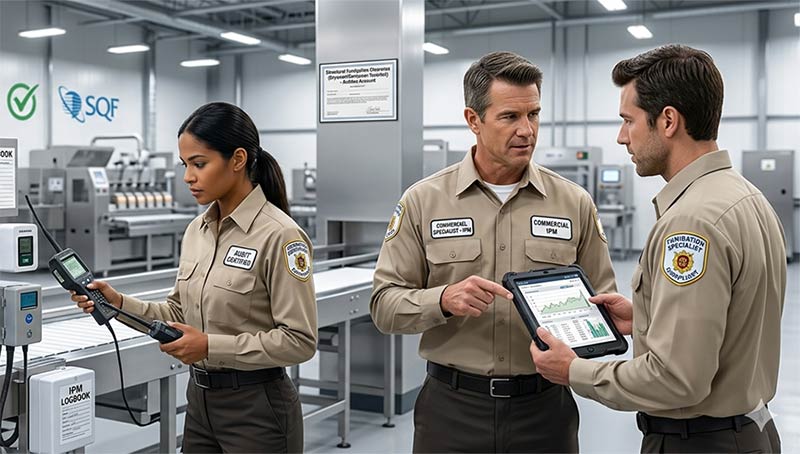
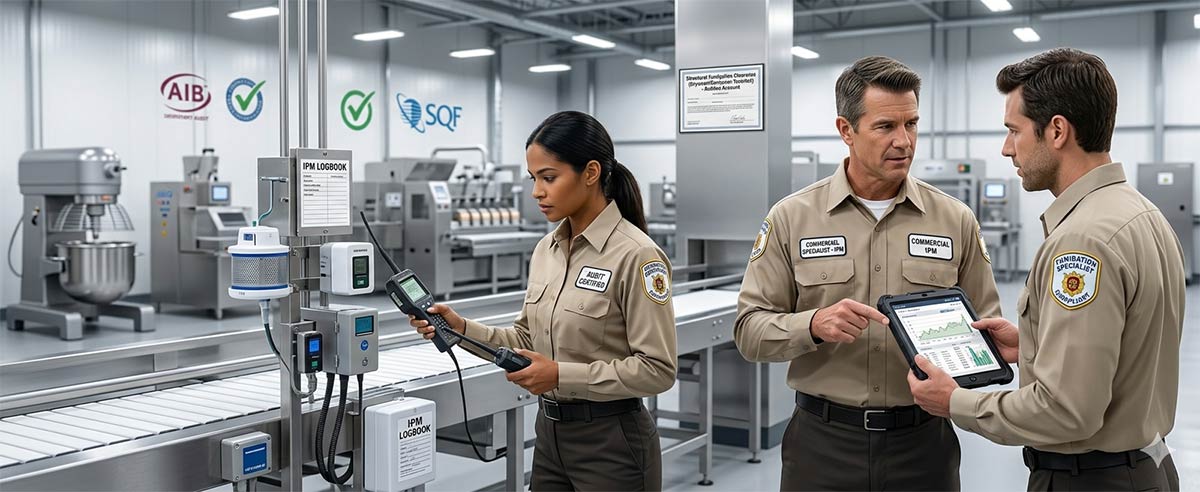
These clients often require detailed documentation, Integrated Pest Management (IPM) programs, and compliance with third-party audit standards.
Commercial Growth in Texas
Several major Texas markets continue to generate demand for commercial pest management professionals.
Houston
Houston’s industrial base, food manufacturing sector, and logistics infrastructure create opportunities for technicians experienced in large commercial accounts.
Dallas-Fort Worth
The continued expansion of warehousing, e-commerce fulfillment, and distribution operations has increased demand for pest management professionals capable of supporting audit-driven environments.
Commercial Growth in Florida
Orlando
Orlando’s hospitality industry supports ongoing demand for technicians serving hotels, restaurants, and entertainment venues where pest prevention is critical to customer experience and regulatory compliance.
Jacksonville
Jacksonville’s transportation and logistics sectors have contributed to growing demand for commercial pest control services in warehouse and distribution environments.
Technicians who understand commercial documentation requirements and audit preparation are often particularly attractive to employers in these markets.
What Employers Look for When Hiring Higher-Paid Technicians
When evaluating candidates for senior technician positions, employers often focus on practical business value rather than years of experience alone.
Attributes that frequently stand out include:
Regulatory Compliance History
Companies value technicians who demonstrate consistent adherence to state regulations and pesticide application requirements.
Multiple Certifications
Holding certifications across multiple service categories can increase scheduling flexibility and operational efficiency.
Commercial Account Experience
Technicians who have worked with food processing facilities, healthcare providers, hospitality businesses, or other regulated industries often possess valuable experience that transfers across employers.
Customer Retention Skills
Strong communication and service quality can directly affect customer retention, making these skills highly valuable for both residential and commercial routes.
A Practical Strategy for Career Growth
For technicians seeking higher earnings, career progression is often tied to expanding responsibilities rather than simply accumulating years in the field.
A practical approach may include:
- Completing licensing milestones as soon as eligibility requirements allow.
- Pursuing specialized certifications such as termite or fumigation credentials.
- Developing experience with commercial accounts and audit-driven environments.
- Building strong customer service and account management skills.
- Seeking opportunities to manage more complex routes and service categories.
What This Means for Pest Control Job Seekers
Across Florida and Texas, employers continue to compete for technicians who bring more than basic service experience.
While experience remains important, certifications, commercial account expertise, compliance knowledge, and specialized treatment skills increasingly influence compensation and career opportunities.
For job seekers evaluating their next move, the strongest salary growth opportunities are often found through acquiring credentials and experience that help employers solve higher-value operational challenges.
As commercial pest management, termite services, and specialized treatment programs continue to evolve, technicians who invest in those skills are likely to remain among the industry’s most sought-after professionals.
More Great Articles on Pest Control Jobs
Click here to find details of salaries and hiring in Pest Control Jobs in Texas and Florida
Florida
Click here to find out why demand for pest control jobs in Jacksonville is growing!
Interested in salaries and hiring in Florida, click here: Pest Control Jobs in Florida and Texas
Texas
Click here to get your Market Overview of Houston Pest Control Jobs
Click here if you’re getting ready for your Texas Pest Control exams
Planning Your Next Career Move in Pest Control?
Passing your exams is just the first step—finding the right employer is the next. In mid-August, we are launching Pest Control Talent, a dedicated job board designed exclusively for Pest Control professionals.
Don’t wait until August to start your search. Join our Early Access List today to get your credentials in front of top Pest Control companies before the platform opens to the public.
- Be First in Line: Early applicants get priority visibility.
- 100% Free for Techs: No hidden fees, just direct access to licensed roles.
